

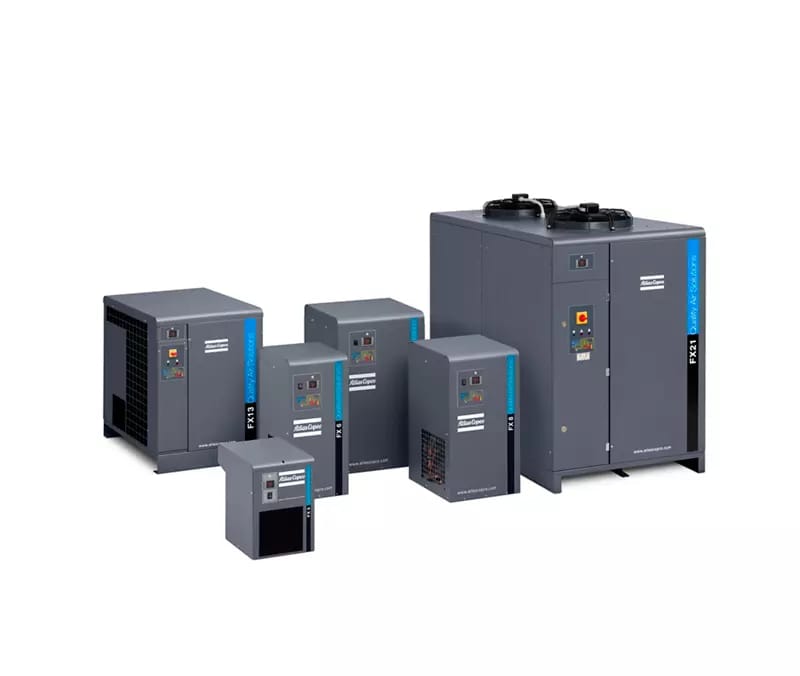
Compressed Air Dryers
Basic Description:
Air dryers are the equipment responsible for purifying the compressed air exiting the compressor from moisture and water vapor. During the air compression process, heat is generated and moisture condenses. If this water-saturated air enters production lines, it can lead to corrosion of piping systems, rust on machinery, and product damage. Therefore, the dryer is considered the “first line of defense” for protecting the entire industrial system.
Types of Dryers and Their Uses
1. Refrigerated Air Dryers
Operating Mechanism: They cool the compressed air to low temperatures (approximately 3°C), causing the water vapor to condense into liquid droplets that are automatically expelled from the system. The dry air is then reheated and pumped back into the system.
Applications: Used in most general industrial applications, machining workshops, assembly lines, CNC machines, and blowing operations that do not require extremely dry air.
2. Desiccant Air Dryers
How they work: They use desiccant chemicals (such as activated alumina) to absorb moisture from the air. They can reduce the dew point to extremely low temperatures, as low as -40°C or -70°C.
Applications: Designed for industries highly sensitive to humidity, such as pharmaceuticals, food processing and packaging, precision laser cutting systems, and automated painting processes.
Importance of Desiccant Air Dryers in Industrial Systems
Equipment Protection: They prevent rust and scale buildup inside pneumatic cylinders and control valves.
Improved Production Quality: They prevent water droplets from mixing with the final product (thus preventing paint damage or product contamination).
Reduced Downtime Costs: They decrease downtime and save on routine machine maintenance costs.
Recommended Maintenance Schedule
To ensure the dryer operates efficiently, the following maintenance protocol should be followed:
Daily Maintenance:
Check the automatic drain to ensure that condensate is being drained properly and that there are no blockages.
Monitor the dew point or temperature to ensure stable operation.
Weekly/Monthly Maintenance:
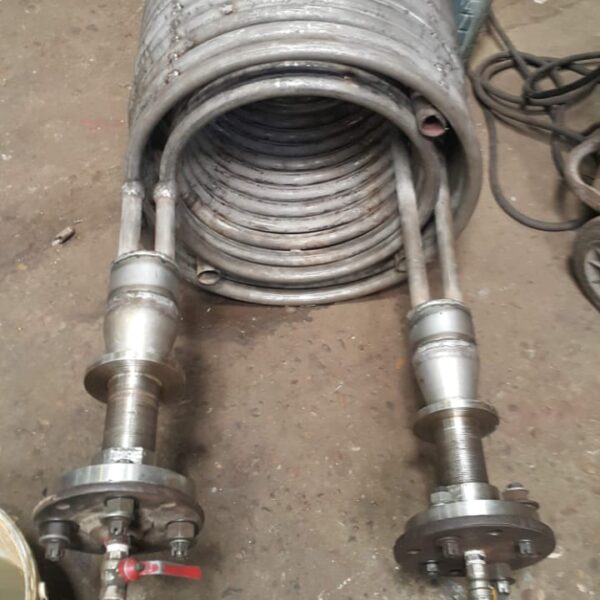
Clean the condenser coil (in refrigeration dryers) of dust and debris to ensure efficient cooling.
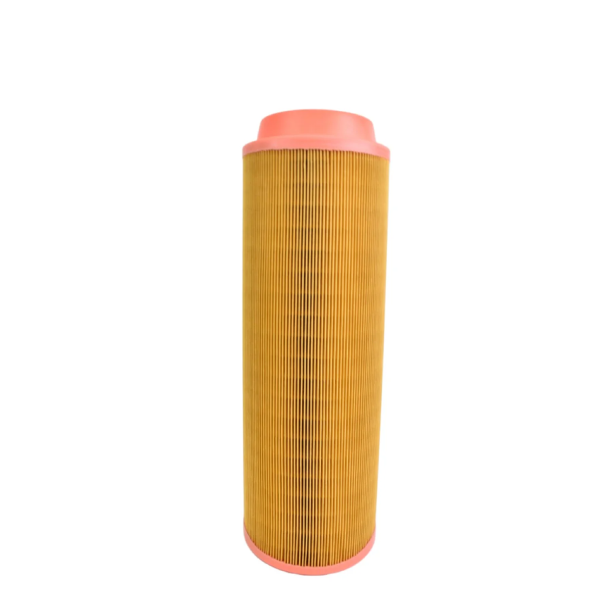
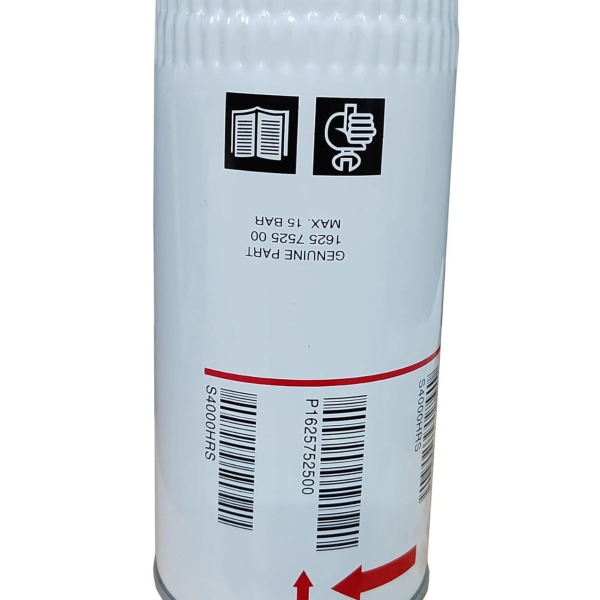
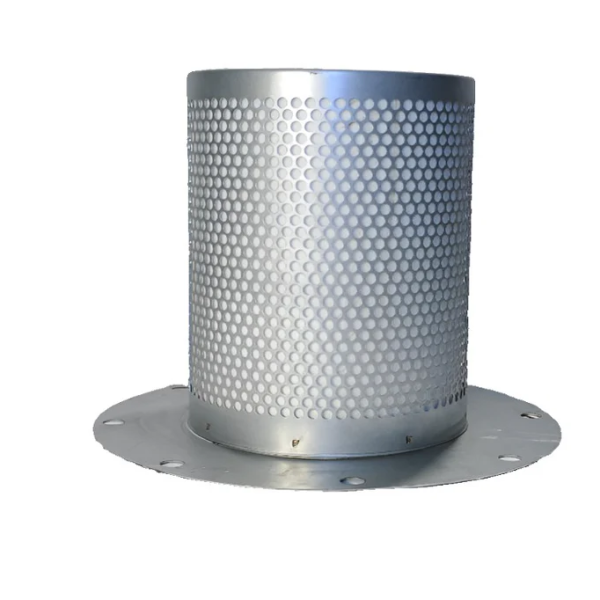
Inspect the air filters (pre-filter and after-filter) before and after the dryer and remove any accumulated debris.
Routine/Annual Maintenance:
Replace the air filter elements according to the scheduled operating hours.
Have the refrigerant charge and refrigeration circuit pressures checked by a qualified technician.
Replace the absorbent material (in desiccant dryers) when it reaches the end of its service life.

Reviews
Clear filtersThere are no reviews yet.